When a car brand collaborates with a non-car brand, it’s about more than just swapping iconic logos. It’s about capturing a specific lifestyle through a cohesive combination. From the rugged appeal of a military-style SUV to a refined cabin-on-wheels perfect for the wilderness of New England, car collaborations have become a successful corner of automotive marketing.
These partnerships work together because they build a lifestyle bridge. When a car brand aligns with a non-car brand that holds similar values and traits, they create a community of loyalists on both sides who are drawn to the blend of features the brands have created. Throughout history, there have been many car brand collaborations, but which ones were the most successful, and what made them so?
The Trailblazer: Ford and Eddie Bauer (1983-2010)
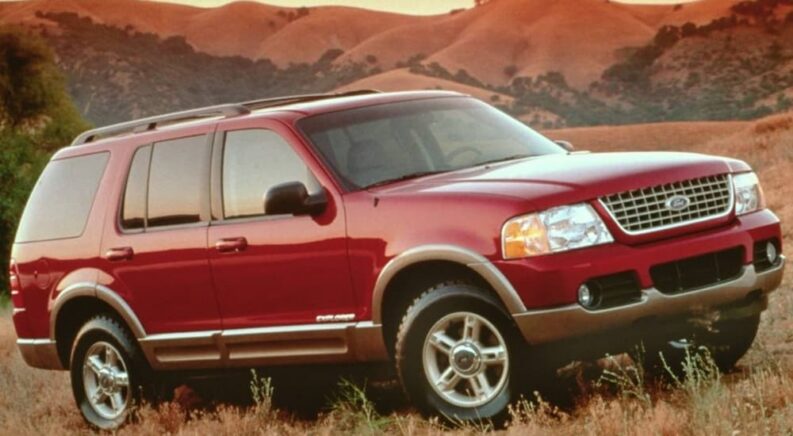
If there is a gold standard for car collaborations, it’s Ford and Eddie Bauer. If its almost 30-year run isn’t evidence enough, its massive sale of over 1.5 million vehicles drives the point home. Eddie Bauer had established itself as the perfect brand for the modern explorer, offering a refined, rugged appeal to its customers. This aligned with what the Ford brand was aiming for: a high-end, robust vehicle that could serve as a status symbol for urban adventurers.
This combination of tough trucks and SUVs with premium interiors hit the mark with consumers. They loved the idea of a vehicle ready to hit the trails, but with features like leather seating and opulent inclusions commonly found only on European models before its release. Iconic models from this collaboration include:
- The Explorer: Perhaps the most recognized model from this brand collaboration, the Ford Explorer Eddie Bauer Edition was extremely popular, featuring a special green-and-tan exterior paint combination and high-end woodgrain trim. It had an incredible run of nearly two decades, available from 1991 to 2010.
- The Bronco: The original partnership SUV, the Bronco was available from 1984 to 1996. It featured the same signature two-tone paint and upscale leather interior as the Explorer, defining the brand’s rugged but refined feel.
- The F-150: Designed as a more premium pickup that still maintained its powerful capabilities, the F-150 was available for only a short time, from 1994 to 1996. However, its impact was strong as it is fondly remembered by many owners and even sought after by collectors.
The partnership was so successful that Eddie Bauer also cashed in on the demand, producing a line of co-branded items, such as luggage, to go along with these highly sought-after vehicles.
The New England Classic: Subaru and L.L Bean (2000-2008)
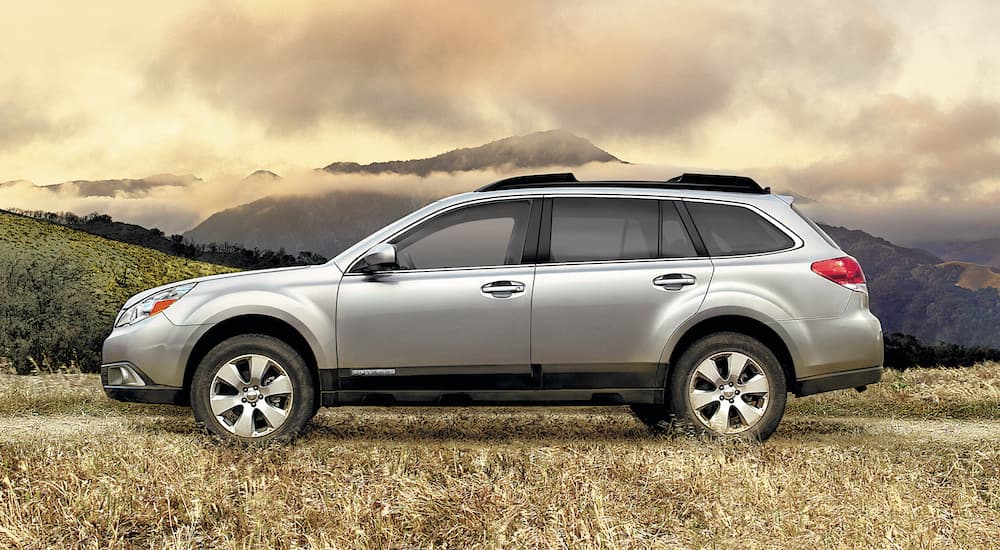
When a car brand like Subaru partnered with the outdoor clothing brand L.L. Bean, many consumers found the decision strange. However, it’s not difficult to see why these two found common ground once you dig a little deeper. Both brands had loyal customer bases that valued practicality and longevity in their product choices. To top it all off, both heavily appealed to buyers who enjoyed active, outdoor lifestyles. The rugged, rain-slicked roads of the Northeast were the natural habitat for both brands.
These vehicles took tackling the New England coast to a whole new level, with incredible SUVs that could handle harsh terrain but offered an oasis of luxurious features inside. L.L. Bean managed to translate its iconic duck boot into car form, with premium leather materials and durable floor mats designed to withstand New England mud and snow. The collaboration produced iconic models like the Outback and Forester, while L.L. Bean included unique touches with these sales. Items such as exclusive gear or retailer gift cards were often included to deepen brand loyalty.
The Hero Car: Jeep and Call of Duty
While Ford and Subaru were leaning into the relaxed outdoor lifestyle, the Jeep brand chose a more aggressive route. With the success of the first-person shooter game, Call of Duty, Jeep saw an opportunity to create its own “hero car” for consumers to buy. Activision, the publisher of Call of Duty, wanted to create a collaboration that truly put its customers in the game. Rather than just throwing on a brand logo and a few special touches, the company put the Jeep Wrangler itself into its latest game release, allowing potential buyers to use the SUV in their cinematic campaign. This well-received collaboration spanned two game releases, resulting in two distinct special-edition models.
The 2011 Jeep Wrangler Black Ops Edition
This model broke ground when it was launched alongside Call of Duty: Black Ops in 2011. For the first time, a game enthusiast could walk into a dealership and purchase the exact vehicle they had just driven in their virtual game.
This SUV didn’t just look the part. With its blacked-out design and special Black Ops decals, it delivered incredible off-road capabilities, making drivers feel as though they could complete their in-game missions in real life. With its base derived from the rugged Rubicon trim level, this model was a true, tactical, off-road SUV. While some initially judged this collaboration, the two brands saw such demand that they decided to repeat the process the following year.
The 2012 Jeep Wrangler Modern Warfare (MW3) Edition
They say lightning doesn’t strike the same place twice, but that wasn’t the case for this collaboration. Knowing the success of their previous release, Jeep went all out with this version, making only a limited number available for eager consumers. The collaboration upped its game with this new release, making the Jeep significantly more detailed than its predecessor. It included an interior loaded with MW3 logos, including embossed into the durable “Black Sedosa” seats.
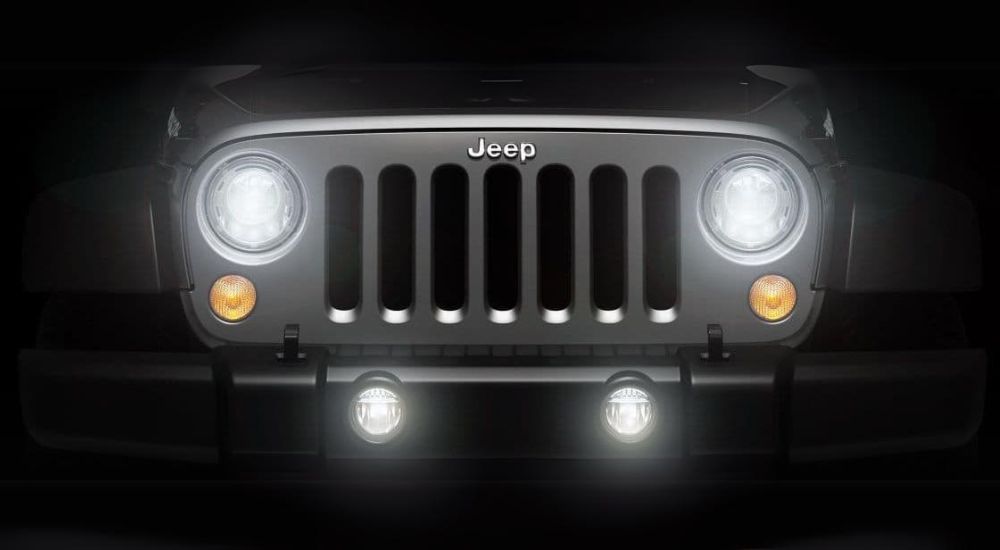
On the exterior, this model showcased its ruggedness with features like black rock rails and MOPAR heavy-duty front and rear bumpers. It was originally only available in a bright silver color with a black top, meant to give a futuristic design, but was also released in all black not long after. Each Jeep Wrangler MW3 edition came with a serialized plaque on its dashboard, giving the real feel of a limited-edition piece of military hardware. This collaboration was highly successful for several reasons:
- Authenticity: The Jeep brand did not need to change its design to fit Call of Duty’s theme. These models already look as though they belong in a combat zone.
- Demographics: Many original Call of Duty players were reaching the prime age for significant car purchases, making the timing incredibly ideal.
- Exclusivity: With a limited release, buyers were more eager to get their hands on these models, knowing they wouldn’t have another chance.
The Legacy of a Lifestyle
While there have been many successful collaborations between car brands and non-car brands throughout the years, some simply stand out more than others. Whether it’s the long-running success of Ford and Eddie Bauer, the unexpected appeal of Subaru and L.L. Bean, or the bold and limited release of Jeep and Call of Duty, one thing is for certain. A vehicle is never just a vehicle. It’s an expression of your lifestyle, values, and passions.
These models may no longer be available, but their impact was so significant that they are still regarded as some of the most successful partnerships in the automotive market today. They were groundbreaking, trend-setting, and wildly popular with their chosen demographics. Every collaboration on this list, and even the others that didn’t make it, proves that the best part of every drive is not arriving at our destination, but the identity we bring along for the ride.