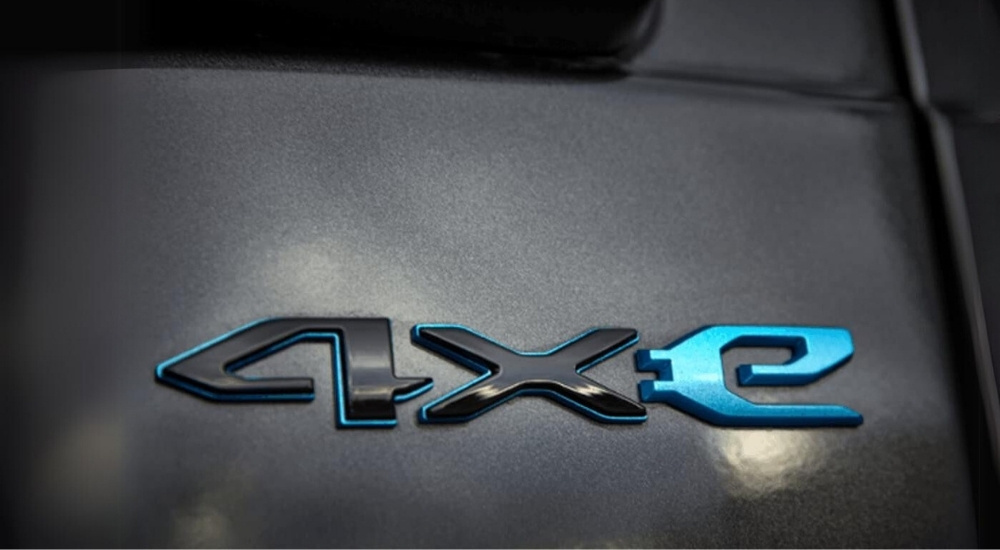
The Jeep Wrangler 4xe has been nothing short of an electrifying triumph since its introduction in 2021. The plug-in hybrid (PHEV) version of Jeep’s midsize SUV combines a turbocharged I-4 engine with two electric motors and a 17.3-kWh battery to provide the Wrangler 4xe with 375 hp. The PHEV version not only delivers 90 hp more than the standard Pentastar V6, it also boasts an EPA-estimated 49 MPGe and an all-electric driving range of 22 miles. It’s a compelling resume, and one that’s allowed the 4xe to quickly become America’s best-selling PHEV and represent almost 40% of all Wrangler sales.
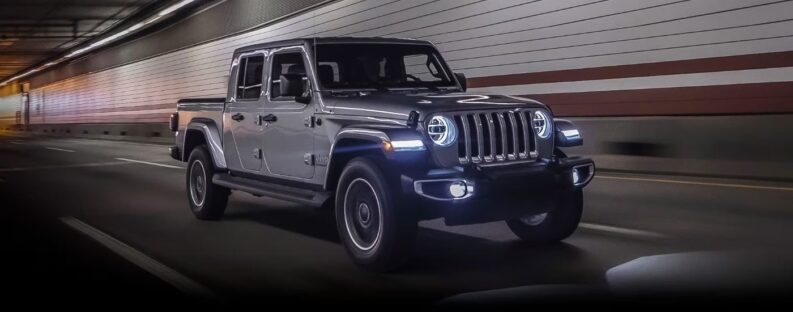
Eager to replicate the Wrangler 4xe’s success, Jeep announced that its midsize Gladiator pickup would receive the 4xe hybrid treatment in a 2024 LinkedIn post by former Jeep CEO and current Stellantis boss Antonio Filosa. Introducing a PHEV Jeep Gladiator for sale seemed like a logical leap for the 4xe brand, especially given the growing infrastructure and acceptance around hybrid and all-electric models. By all accounts, the Gladiator 4xe should have been pretty easy to pull off. The midsize pickup rides on the same JL platform as the Wrangler. While it is designed with a longer wheelbase, it’s theoretically easy to drop the SUV’s 4xe plug-in hybrid system into the Gladiator and call it a day. The near-instant torque afforded by the hybrid system’s electric motors is perfectly suited to Jeep’s off-road reputation, allowing electrified models to offer the sort of traction and low-speed power that most vehicles can match. The hybrid setup also offers some obvious benefits in terms of fuel economy, which is always a crucial consideration in the historically thirsty pickup segment.
However, automotive innovation doesn’t happen in a vacuum. Brands need to balance several key considerations when developing a new model, and the cons began to outweigh the pros with the Gladiator 4xe. Jeep has officially abandoned the PHEV Gladiator. Several factors are driving the decision, including the organizational and strategic changes at Stellantis HQ, as well as larger trends surrounding electrified vehicles and other economic factors. Let’s explore the confluence of practical, political, and economic factors that doomed the PHEV pickup before it could ever make its debut.
Shifting Priorities
There has been a lot of upheaval at Jeep’s parent company, Stellantis, lately, with declining sales forcing the multinational brand to take some drastic steps. Net profits declined by approximately 70 percent in 2024, with the North American market experiencing a 25% decrease in sales volume. Former CEO Carlos Tavares resigned in December 2024 and, after a six-month search, was replaced by former Jeep CEO Antonio Filosa. While Filosa had led the development of the Gladiator 4xe during his time at Jeep, the CEO is now singing a different tune as he works to get Stellantis back on track.
The company has already canceled the all-electric Ram 1500 EV and nixed the Dodge Charger EV’s R/T trim. The Dodge Hornet crossover is also taking a hiatus for the 2025 model year. While this can be partially attributed to the available hybrid powertrain, the SUV’s Italian provenance and the associated tariffs might be the bigger factor. No matter how you break it down, it’s clear that Stellantis is steadily backing away from its hybrid and EV plans until it can right the ship. Jeep has suggested that it will reinvest the Gladiator 4xe funds into a new effort, which will, as stated in a recent press release, “ensure the long-term growth of the Jeep Gladiator and will introduce even more customer-requested factory features, customization, and additional powertrain options in the near future.”
What sort of “additional powertrain options” could the brand be hinting at? It appears that the Gladiator will undergo a complete overhaul in the efficiency department, replacing the PHEV design with the 6.4L HEMI V8 as part of the Rubicon 392 model, as well as upcoming special editions. Rated for 470 hp and 470 lb-ft. of torque, the HEMI V8 reflects a larger trend at Stellantis HQ. The Dodge Durango and Ram 1500 have already brought back the HEMI with a vengeance as Stellantis tries to cater to traditional truck drivers who are hungry for big, brawny, gas-powered engines.
Weak PHEV Demand
Not all electrically-assisted vehicles are created equal, at least as far as consumers are concerned. While traditional hybrids and all-electric vehicles have enjoyed relatively strong growth over the last decade, PHEVs have lagged behind their battery-powered brethren. PHEV sales currently account for just 1.9% of all new car sales, while EVs and non-PHEV hybrids both represent around 10% of the market.
Why would one type of electric vehicle technology perform so poorly while others are gaining ground? Cost is one reason. The average price of a PHEV is around $10,000 higher than an EV or hybrid, which would be a little easier to stomach if not for the additional challenges that come with the technology. Unlike regular hybrids, PHEVs require drivers to install some sort of home charging infrastructure or make regular visits to public charging stations. Plug-in models also offer the worst of both worlds as far as repair and maintenance are concerned, since drivers need to worry about maintaining both the powertrain’s gas and electrical components. The lack of all-electric range also makes PHEVs a hard sell in comparison to EVs, with models like the Wrangler 4xe offering just 22 miles of gas-free driving.
Low Sales
Despite the organizational changes and challenges surrounding PHEV development, the failure of the 4xe can largely be attributed to the declining popularity of the Gladiator itself. The market’s first open-air pickup made waves upon its debut, moving nearly 90,000 units in 2021, but sales have been trending in the wrong direction in the years since. The truck’s 2024 sales amounted to just 42,000, which means the Gladiator has nearly halved its volume in three short years. While sales did spike by 8% in early 2025, it’s a classic case of too little, too late for Jeep’s only pickup. Compared to the midsize segment’s undisputed leader, the Toyota Tacoma, which sold 193,000 units in 2024, it’s not hard to see why Jeep is wary of investing additional resources into the Gladiator.
The Gladiator seems like an obvious next step for the Jeep brand, especially given the perennial popularity of pickups. Aside from its off-road credentials, however, the truck simply lacked the performance resume required to remain relevant in the competitive segment. The Gladiator’s convertible appeal certainly adds to the cool factor by allowing drivers to remove the windows and doors in classic Jeep fashion, but the lack of a manual transmission and a less-than-impressive 285-hp V6 engine, which is the only one available despite the Wrangler offering several engine options, make the truck a tough sell for all but the most loyal Jeep drivers.
Political Factors
A shifting political landscape has had a noticeable effect on the practicality of future hybrid and EV models. While some local and state subsidies still exist, the decision to end the popular federal EV tax credit program has impacted the affordability of electric vehicles. The Gladiator 4xe would likely have been eligible for the same $3,750 tax credit and $7,000 leasing incentive as the Wrangler 4xe, but drivers will now have to pay the full sticker price for any eligible model. That’s not to say that the tax credit program couldn’t be revived at a later date by another administration, but for the time being, hybrid and electric vehicles are now less economically feasible than they were in 2024.
Aggressive tariff policies have introduced some unwelcome uncertainty into the auto market, and Stellantis is not immune. The automaker produces many of its vehicles in Mexico and Canada and owns several European brands, including Alfa Romeo, Fiat, and Maserati, which are subject to tariffs. The automotive world finds itself in a strange political climate, and it seems that Stellantis and its competitors are scaling back some of their more ambitious electric vehicle plans until things settle down.
Was It the Right Decision?
Was Jeep right to abandon the Gladiator’s 4xe powertrain? Yes and no. While hybrid and electric vehicles are likely to dominate the industry in due time, current economic, political, and organizational factors make the decision easier to understand. While Stellantis would probably like to lead the charge into an electrified future and position itself as a leader in the segment, the company is doing its best to survive amid plummeting sales. Taking on an ambitious PHEV project, especially on a model that customers seem to be cooling on, is simply not the right move.
It’s also important to consider the challenges associated with the PHEV approach, especially in the pickup segment. While Ford sells a PHEV version of its Ranger pickup in overseas markets, the Gladiator 4xe would have been the first PHEV model in the U.S. That title now appears to be headed to another Stellantis offering, the Ram 1500 REV, which, unlike the proposed Gladiator 4xe, utilizes a series-hybrid system that operates the gas engine exclusively as a generator for the battery.
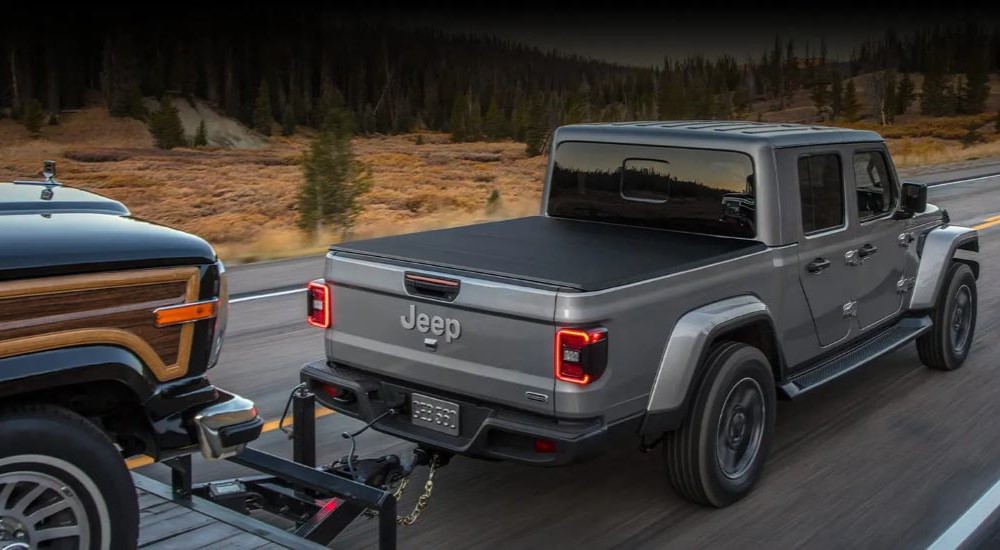
Why do trucks lag so far behind other segments in terms of PHEV technology? It all comes down to how they’re typically used. Pickups are regularly tasked with completing the toughest tasks the road has to offer, specifically towing and hauling projects. The added weight and cost of a PHEV system rob a truck of its towing and hauling capabilities, and make it a little ungainly in off-road environments. Gas and diesel engines offer a power-to-weight ratio that PHEVs struggle to match, and that’s not even factoring in the research and development costs. The issues around charging infrastructure and planning also come into play, as do regulatory requirements. Automakers are incentivized to develop cleaner, greener vehicles to reduce their fleet-wide average emissions, and PHEVs don’t have as significant an impact as purely battery-powered models.
It’s easy to simply blame the Gladiator 4xe’s demise on Stellantis’ strategic and financial woes, tag the expired tax credits and tariffs, or blame a fickle consumer base, but the real answer is a lot more complex. The lack of enthusiasm surrounding the Gladiator pickup certainly plays a role, but the truth is that the PHEV might ultimately represent an underwhelming middle ground that was never destined for success. Requiring drivers to adhere to a strict charging schedule while still making regular stops at the gas station is a significant challenge in today’s busy world. While the potential performance benefits of a torque-rich hybrid are intriguing, there are already all-electric models that offer the same advantages in a more convenient package. A PHEV Jeep pickup would have made a nice addition to the lineup, but we’re not going to put up too much of a fuss about its demise.